People often search for laser hair removal near me, compare laser hair removal deals, and read laser hair removal reviews without first deciding the kind of provider they actually need. That choice matters more than the price tag on a package. The setting determines the laser hair removal technology available, the skill level guiding your treatment, the safety protocols in place, and the kind of results you can realistically expect. I have worked alongside dermatology teams, trained certified laser hair removal technicians, and consulted for aesthetic businesses that range from boutique salons to full medical laser hair removal centers. The biggest surprises for clients usually come from misunderstandings about who does what and why.
This guide unpacks the differences between a laser hair removal clinic, a spa, and a salon, using practical examples and details you can verify during a consultation. By the end, you will know how to evaluate laser hair removal services for your skin type, hair color, and budget, and how to avoid common pitfalls with laser hair removal packages and promotions.
What laser hair removal actually does
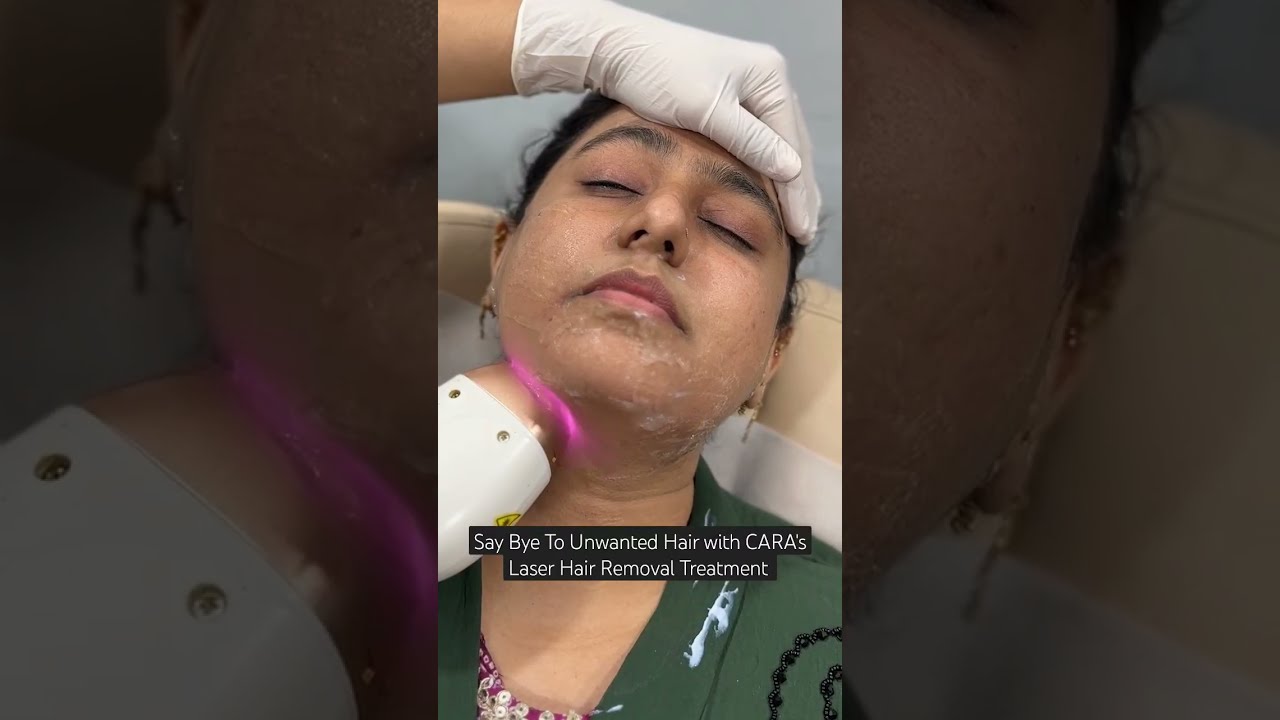
Laser hair removal is a series of treatments that target pigment in the hair follicle to impair regrowth. It is more accurate to call it laser hair reduction, though you will see the phrase permanent laser hair removal used widely in marketing. In well selected candidates, you can expect a long term decrease in hair density and thickness that ranges from 70 to 90 percent after a full course. Hairs that return tend to be finer and lighter. Maintenance sessions once or twice a year help keep results stable.
The core idea is simple. Light energy from a laser hair removal machine seeks melanin in the hair shaft, converts to heat, and damages the follicle during the active growth phase. Because only a portion of follicles are active at any time, you need multiple laser hair removal sessions. For most body areas, plan on 6 to 10 treatments spaced 4 to 8 weeks apart. Facial hair often needs a higher session count and closer spacing due to faster cycling and hormonal influence.
Treatment feels like a hot snap. The laser hair removal pain level varies by area and device. Underarm laser hair removal is quick and tolerable, bikini laser hair removal and brazilian laser hair removal feel spicier, and areas over bone can sting more. Modern cooling tips and chilled air systems help. Numbing cream makes sense for large fields like full body laser hair removal or back laser hair removal, but it is not always necessary for smaller zones like upper lip or chin.
The major device families and why they matter
If you remember one technical detail, make it this. Not all lasers are the same, and device choice should follow skin type and hair characteristics.
- Diode laser hair removal usually operates around 810 nm. It is workhorse technology for light to medium skin tones with brown to black hair. Many top rated laser hair removal centers rely on diodes for legs, arms, chest, back, and underarms. Modern diode platforms often include large spot sizes for speed and good cooling for comfort. Alexandrite laser hair removal runs near 755 nm. It is highly efficient on lighter skin types with dark hair. It is fast and effective, but not ideal for darker skin because the melanin in the epidermis also absorbs that wavelength, which can raise side effect risk. Nd:YAG laser hair removal sits at 1064 nm. It penetrates deeper, bypassing much of the epidermal pigment, which makes it safer for laser hair removal for dark skin. It is also the go to for tanned skin and for treating vascular structures. It can feel sharper during treatment, but cooling and technique help.
A clinic, spa, or salon might advertise advanced laser hair removal without specifying the device. Ask for the make and model. A professional laser hair removal provider can explain why they selected a device for your Fitzpatrick skin type, your hair color, and your target area.
Clinic vs spa vs salon in plain language
Here is the short version that clients ask me to give them when we meet for a laser hair removal consultation.
- Medical laser hair removal clinic - Physician led or nurse practitioner supervised, medical grade lasers, strict protocols and recordkeeping, skin typing and medication review, capable of complex cases like laser hair removal for sensitive skin or for patients with darker skin or hormonal hair growth, often higher laser hair removal price per session but stronger quality control. Laser hair removal spa - Also called an aesthetic clinic or med spa, typically uses the same class of devices but physician involvement may be consultative, technicians certified, more amenities and comfort focus, good for routine body areas in healthy clients who want affordable laser hair removal with professional oversight. Laser hair removal salon - Beauty focused setting, may use lower energy devices or intense pulsed light instead of true lasers, lighter intake and follow up, strong emphasis on laser hair removal deals and packages, best for low risk cases like lighter skin with coarse dark hair on common areas, but results and safety depend heavily on the exact equipment and training.
That is the headline. Now let us unpack the trade offs.
Safety protocols and who is responsible for them
At a laser hair removal clinic, a medically trained professional writes or approves protocols. Intake includes a health history, allergies, medication list, and a skin exam. The laser hair removal specialist uses a risk checklist: history of keloids, photosensitivity, isotretinoin use, active infections, pregnancy, recent sun exposure or tanning, and any prior adverse reactions. Test spots are common for new clients or new devices. Laser hair removal safety is not a formality. When anything looks off, the provider can pivot to a different wavelength, adjust pulse duration, or delay treatment.
Spas vary. Good medical spas run almost identically to clinics. They document settings, photograph the treatment fields, and record laser hair removal results at each visit. Staff are usually licensed aestheticians with laser certifications. A supervising physician may oversee protocols and be on call for complications. The difference is often cultural. Spas aim for comfort and experience. Warm robes, scented towels, soothing playlists. None of that is a problem, as long as the fundamentals stay rigorous.
Salons are the widest spectrum. I have seen excellent salons run by former clinic technicians with spotless technique and strict schedules. I have also been called to consult after a client had crusting on the upper lip because a device was set too aggressively and post care was not explained. If a salon’s primary volume is haircuts and nail services, laser hair removal may be a side offering. That does not make it unsafe by default. It means you must verify device quality, technician credentials, and aftercare support before you sign a laser hair removal membership or big prepay.
Technology access and maintenance
Clinics and quality med spas invest in premium devices and keep them calibrated. That includes chilled sapphire tips, integrated skin temperature sensors, and well maintained spot sizes so fluence is accurate. Devices with smart pulse control are more forgiving on tricky zones like the neck, shoulders, or along the jawline where hair depth varies.
Salons might rely on compact platforms or IPL systems. IPL can reduce hair in ideal cases but is not the same as a laser. For dark coarse hair on light skin, it can deliver decent hair reduction. On darker skin or finer hair, it often underperforms and can raise the risk of pigment changes. This is where laser hair removal effectiveness diverges sharply between provider types. I have met clients who finished eight sessions of IPL on the legs and saw only patchy improvement. They switched to a diode laser at a clinic, did four more sessions, and finally reached their goal.
Treatment planning, session count, and timelines
A real laser hair removal treatment plan is not one size fits all. It accounts for the hair cycle of each area, your skin type, and any hormonal drivers. A typical plan:
- Face laser hair removal, including upper lip, chin, and neck: 8 to 12 sessions, every 4 to 6 weeks. Facial hair is often hormonally influenced, so ongoing maintenance is common. Underarm laser hair removal: 6 to 8 sessions, every 4 to 6 weeks. This area responds briskly and acts as a good test drive if you are new to lasers. Bikini or brazilian: 6 to 10 sessions, every 4 to 8 weeks. Hormones and hair density vary widely. Many clients see a noticeable change by session 3. Legs and arms: 6 to 10 sessions, every 6 to 8 weeks. Larger areas often show the most satisfying laser hair removal before and after photos. Chest and back: 8 to 12 sessions, every 6 to 8 weeks. Male chest hair and back hair can be stubborn and sometimes require top up sessions over the years.
A clinic tends to individualize aggressively. A spa might follow a standard schedule with minor adjustments. A salon may stick to fixed booking intervals. None of these approaches are wrong if your results are on track laser hair removal Holmdel near me Ethos Aesthetics + Wellness and your skin remains calm. Ask for a mid course review by session 4 to check density change and tweak settings.
Pain management, numbing, and comfort
Device cooling does most of the heavy lifting. In my experience, moving quickly with overlapping passes reduces discomfort more than chasing single high energy pulses. For sensitive clients or large fields like full body laser hair removal, a topical anesthetic applied 20 to 40 minutes before treatment can make the difference between tolerable and miserable. Clinics manage numbing carefully and screen for allergies. Spas can do the same if protocols allow. Salons may advise over the counter creams. If numbing is used, your provider should adjust fluence because sensation loss can mask feedback.
Hydration, avoiding caffeine right before, and shaving closely the night before help comfort. Long stubble absorbs more energy and increases sting. For men doing chest or back, a quick pre trim in the office can save you from hotspots.
Skin types, hair colors, and special cases
Laser hair removal for women and for men follow the same principles, but pattern and density differ. Men tend to have more upper body hair and stronger regrowth signals. Women often target face, underarms, bikini, legs, and sometimes stomach or lower back. Three special scenarios illustrate why provider type matters:
- Laser hair removal for dark skin: Choose a provider with a true Nd:YAG and a track record. I have treated Fitzpatrick V and VI safely for years with Nd:YAG, but only with strict timelines around sun exposure and conservative test spots. A diode can work at lower settings on some darker tones, but the margin for error tightens. Laser hair removal for light or gray hair: This is a physics problem. Lasers need pigment. Very blonde, red, or gray hair does not respond well. Anyone promising full clearance on gray facial hair is overselling. Electrolysis is the better option in that case. A good clinic or spa will tell you that upfront instead of selling you a package. Laser hair removal for sensitive skin or for those with eczema or psoriasis: Plan treatments during quiet phases, adjust settings, and monitor closely. A clinic is best for moderate to severe skin reactivity, though a cautious med spa can do a fine job in mild cases.
Side effects, downtime, and recovery
Expect transient redness and follicular edema, which looks like goosebumps around each hair. That is a good sign because it shows energy reached the follicle. These effects settle in a few hours to a day. Rare risks include burns, blisters, infection, and pigment changes. These are far less common when devices are appropriate, settings are matched to skin type, and aftercare is followed.
Laser hair removal aftercare is straightforward. Cool compresses for the first hours if you feel warm, fragrance free moisturizer, and high SPF on exposed areas. Skip hot yoga, saunas, and retinoids for 24 to 48 hours. No waxing or plucking between sessions, since the follicle must be present for the laser to work. Shaving is fine and often encouraged a day before your appointment. The laser hair removal downtime is minimal. Most people return to normal activity the same day.
Pricing, packages, and whether deals are worth it
Laser hair removal cost varies with geography, provider type, and area size. In most U.S. Cities, underarm laser hair removal cost per session might run 75 to 200 dollars. Bikini sits around 100 to 300. Lower legs are 200 to 450. Full body laser hair removal prices can swing widely, from 1,500 to 3,500 per course, depending on how many zones and how many sessions are bundled.
Clinics often price per session or per area with package discounts. They may offer laser hair removal financing or memberships that spread payments across the treatment plan. Spas compete with memberships and promotional laser hair removal deals that incentivize multiple areas. Salons tend to advertise the lowest sticker price and limited time promotions. Cheap is not always bad, but know what you are buying. Does the package specify the number of sessions, the device, and a retreatment policy if results lag? Can you transfer unused sessions to another area? Are touch ups included after you finish, and at what laser hair removal packages price?
One client of mine purchased six sessions of leg laser hair removal at a bargain salon. The first three appointments were inconsistent because the device was out for service. She finally completed the series but needed three additional sessions at a clinic to reach her goal. The total cost ended up higher than if she had started at a mid tier med spa. Ask about device uptime and backup equipment during your laser hair removal consultation. A busy, reliable provider will have a plan.
Booking flow, access, and convenience
For many, laser hair removal online booking is a must. Life is busy, and same day appointment requests are common for small areas like underarms or upper lip. Clinics set tighter rules around cancellations and sun exposure. They may turn you away if you arrive tanned for alexandrite or diode sessions. Spas usually balance convenience with caution, and the front desk will screen for recent peels or photosensitizing medications when they confirm your laser hair removal appointment. Walk in treatment is possible for small zones if you are an established patient. New clients should expect a consult first.
A short consult should include medical intake, skin typing, a discussion of laser hair removal process, and a test pulse. Many providers apply a small fee that can be credited to your first treatment. If you feel rushed or your questions are brushed aside, trust that instinct and shop elsewhere.
How to read before and after photos and reviews
Laser hair removal before and after photos should be taken at consistent angles and lighting, with clear time stamps. Beware of wet shaving artifacts that make hair look temporarily thinner. Ask how many sessions were completed and over what timeline. Laser hair removal reviews offer signal if you look for specifics. Strong clues include mentions of device names, staff members who explain settings, and honest talk about maintenance. Vague praise without detail is less helpful than a mixed review that explains a delay, a setting adjustment, and an eventual positive outcome.
What a thorough consultation feels like
When I conduct a laser hair removal consultation, I start by asking what bothered the client most in the past. Ingrown hairs after waxing, razor burn, or shadowing on the underarms help guide realistic goals. I examine the hair caliber and density. I map treatment fields to avoid overlap onto moles or tattoos. For laser hair removal for facial hair, I pay attention to hormonal patterns, ask about PCOS, thyroid disease, or recent childbirth. I review medications, especially isotretinoin, doxycycline, and herbal supplements that can affect photosensitivity.
Then I explain the device choice. For example, a medium tone client with coarse leg hair and a summer tan might do better postponing alexandrite and scheduling diode sessions in the fall, or moving to Nd:YAG if treatment must proceed. Expectations are set in numbers. If a client hopes for fully hairless legs after four sessions, I explain that density may drop roughly 20 to 30 percent per early treatment, then plateau, with finer regrowth that still needs maintenance. That conversation prevents frustration and cancellations later.
Red flags that tell you to pivot
A few patterns reliably predict trouble. If a provider avoids answering what laser hair removal machine they use, that is a problem. If they promise permanent results for blond or gray hair, they are overselling. If there is no review of your medical history before taking payment, walk away. And if the setting mix includes strong scents, poorly cleaned eyewear, or no visible eye protection for you and the technician, that is not the place to get a light based procedure.
A quick decision aid you can save
- Choose a clinic if you have darker skin, a history of sensitivity or scarring, hormonal hair growth, or you want physician oversight and medical grade documentation. Choose a med spa if you are a healthy candidate seeking professional laser hair removal with good amenities, flexible scheduling, and competitive laser hair removal packages. Choose a salon if you are a low risk candidate with light skin and coarse dark hair, you have verified the device is a true laser, and you value affordability above extras.
Five questions to ask before you book
- Which device will you use for my skin and hair, and why that wavelength? What is the expected number of laser hair removal sessions for my areas and skin type? How do you handle sun exposure, test spots, and adverse reactions if they occur? Who sets my treatment parameters, and what training or certification do they have? What is included in the laser hair removal price or package, and how are touch ups handled?
Bring these to any laser hair removal center, whether it calls itself a clinic, spa, or salon. A confident provider will welcome them.
Putting it all together for your goals
There is no single best laser hair removal provider for everyone. The right match balances device capability, technician skill, safety culture, and value for your budget. If you are comparing laser vs waxing hair removal or laser vs shaving hair removal, remember the long view. Laser hair removal results take months to build, then save time for years. Waxing is predictable but repeats forever. Shaving is cheap and immediate but can worsen ingrowns.
If your priority is affordable laser hair removal, a reputable med spa with a diode platform often hits the sweet spot. If you need laser hair removal for dark skin, seek a clinic with Nd:YAG and documented experience. If you want fast, targeted reduction on underarms or bikini in a low risk case, a well equipped salon can work if you verify device and training. For full body laser hair removal, weigh the total program, not only the first session cost. Ask about laser hair removal financing, membership perks, and whether your package allows schedule flexibility for travel or life events.
Above all, insist on a plan. A clear laser hair removal treatment plan maps your areas, session frequency, device choice, and maintenance strategy. It accounts for vacations and sun exposure, and it builds in skin checks along the way. That kind of planning is the hallmark of professional care, no matter the sign on the front door.