If you have been searching for laser hair removal near me, you have likely seen monthly memberships, unlimited plans, and packages jumbled alongside single session pricing. Clinics, spas, and medical practices have leaned into subscriptions for a simple reason: predictable revenue and better adherence. The question is whether these plans make sense for your skin, your hair, and your calendar. After more than a decade around professional laser hair removal services and the people who perform them, I have seen memberships save clients thousands, and I have also seen them lock people into unnecessary months of payments.
This guide unpacks how monthly plans are structured, what permanent laser hair removal can realistically deliver, and how to do the math so you do not overpay for convenience.
What you are actually buying with a membership
A typical laser hair removal subscription tries to lower the decision fatigue of booking laser hair removal sessions one by one. Instead of a single sticker price, you pay a set laser hair removal near me amount every month for a minimum term, then either continue or cancel. The promise is access: discounts on multiple areas, priority scheduling, and low per visit costs. What you actually get varies a closest laser hair removal lot by laser hair removal clinic or salon.
Some common formats:
- Area-specific memberships. You choose one or two small areas, such as underarm laser hair removal or upper lip, for a fixed monthly fee. Sessions are scheduled every 4 to 8 weeks. Tiered plans by body size. A small area tier, a medium tier, and a large tier or full body laser hair removal tier. Clients mix and match areas inside each tier. Unlimited plans. A higher monthly price for unlimited sessions within rules, such as one session per body part every 6 to 8 weeks, with exclusions for face laser hair removal or bikini laser hair removal. Founders or loyalty rates. Lower pricing if you commit to 12 months or more, sometimes paired with laser hair removal discounts on add-ons like laser hair removal for men’s back or chest. Hybrid models. An enrollment fee plus a reduced package price for laser hair reduction on multiple areas, or memberships that convert to maintenance pricing after initial series completion.
Pricing ranges vary by city and the type of provider. For small areas like underarms or upper lip, memberships often land around 30 to 70 dollars per month. Medium areas like half legs, forearms, or the bikini line might sit between 70 and 150 dollars. Large areas, including full legs, back, or chest, range more widely, often 120 to 300 dollars per month. A full body laser hair removal membership can run from 150 to 450 dollars per month depending on how many sessions are allowed and who is operating the device. These are ballpark figures based on common US metropolitan markets. Specialized medical practices with dermatologist laser hair removal oversight, premium machines, and more clinician time will price higher than strip mall salons with limited devices.
The key is not the number itself, but whether the plan structure matches how laser hair removal treatment should be scheduled for your hair and skin.
A quick refresher on how laser hair removal works
Laser hair removal technology targets melanin in the hair shaft, converts light to heat, and disables the follicle. It does not yank hairs out like waxing, so you will not leave hair-free after the first pass. Hair grows in cycles, and only the growing phase responds best to energy. That is why laser hair removal frequency generally falls at 4 to 8 week intervals for the face and 6 to 10 weeks for most body areas. You need multiple visits to catch more follicles in the right stage.
Devices matter. The three workhorse platforms are:
- Alexandrite laser, excellent for lighter skin types with dark hair because it targets melanin efficiently. Often praised for fast, effective results on legs and arms. Diode laser, versatile across a range of skin tones. Many of the best laser hair removal clinics use diode systems for speed and depth, especially on larger areas like leg laser hair removal or back laser hair removal. Nd:YAG laser, the safer choice for darker skin tones because its wavelength bypasses more epidermal melanin. Slower per pulse, but a mainstay for safe laser hair removal on Fitzpatrick types IV to VI.
An experienced operator will choose settings by skin type, hair coarseness, and area. That is one reason advanced laser hair removal at a medical practice often costs more. You are paying for clinical judgment as much as a laser hair removal machine.
How many sessions you will likely need
If you want permanent results, it is better to think in ranges than absolutes. For most body areas with coarse dark hair, expect 6 to 10 laser hair removal sessions for a strong reduction. Fine hair, hormonal areas, and light hair colors can push beyond 10, and white, gray, and red hair do not respond well at all.
Underarm laser hair removal often lands in the 6 to 8 session range with visible laser hair removal results by the third visit. Bikini laser hair removal varies. A classic bikini can respond quickly, while Brazilian or Hollywood, which cover more surface area and include hair with variable growth patterns, may need 8 to 12. Face laser hair removal for the chin, jawline, or upper lip can be trickier because hair cycles faster and hormones can stimulate new growth. Men’s beard area and neck require careful settings to avoid irritation and pseudofolliculitis, with 8 to 12 treatments common. Large areas like full legs or a man’s back and chest can take 8 to 12 sessions simply due to surface area and follicle density.
Session length depends on the size of the area and the device. Upper lip takes 5 minutes. Underarms, 10 to 15. Bikini line, 15 to 25. Half legs, 25 to 45. Full legs or a full back can run 45 to 75 minutes using modern high-speed devices.
This cadence matters when you evaluate a membership. If a plan only allows one body area per month, and you want both legs and bikini done within a year, you may end up paying for overlapping months you do not need.
The math: when monthly plans save you money
I encourage clients to compare a monthly plan to a package of 6 to 8 sessions, because that is the range most clinics build around. Here are two realistic scenarios.
Case one: underarm plus bikini. A clinic offers an area-specific membership for 59 dollars per month per small area, with sessions every 6 weeks, and a minimum 12 month term. Over 12 months, you pay 708 dollars for one area. If you do two areas, that is 1,416 dollars. Compare this to a package deal at a laser hair removal center near me that prices six underarm sessions at 199 to 350 dollars and six bikini sessions at 350 to 600 dollars. Even if you need an extra two sessions per area at a per-session rate of 50 to 100 dollars each, the package route could total 1,000 to 1,400 dollars. The membership only beats packages if you need many more sessions than average, or if the membership includes other perks you actually use, such as discounted face touch-ups or a free laser hair removal consultation for a new area.
Case two: full legs. A salon advertises full leg laser hair removal at 199 dollars per month with an unlimited plan that allows one full leg session every 8 weeks and includes knee to ankle plus thighs. Over 12 months, that is 2,388 dollars. Package pricing for full legs in a medical laser hair removal clinic tends to sit between 800 and 1,800 dollars for six sessions, depending on market and operator credentials. If you need eight to ten sessions, and you can finish them within the membership period, the unlimited plan may be competitive. However, read the rules. If the fine print caps you at six sessions a year due to spacing rules, the so called unlimited feature might not actually lower your total laser hair removal cost.
There is also a behavioral factor. If paying each month helps you stay on schedule, you will likely finish a complete series faster, which improves laser hair removal long term results. People who buy large packages sometimes stretch sessions too far apart to save money, and that hurts outcomes. In that sense, a membership can be worth it even at a slight premium.
Who benefits most from a subscription
Clients who want multiple areas treated in parallel often come out ahead with membership discounts, especially if a clinic allows you to stack small areas in one monthly visit. If you plan to do underarms, bikini, and lower legs over one year, a membership that bundles small and medium areas can simplify appointments and keep per area pricing down.
People who need maintenance are also good candidates. Laser hair removal permanent results should be framed as permanent reduction rather than complete eradication. Most clients see 70 to 90 percent reduction after a full series. A membership that drops into a low maintenance tier after you complete your initial plan, perhaps 20 to 40 dollars per month for touch-ups, can be cost effective compared to sporadic single-session pricing.
Clients with darker skin tones benefit from clinics that include Nd:YAG laser without surcharges. If your membership guarantees access to the appropriate device for your skin type, that is worth paying for. It reduces risk and supports safe laser hair removal with consistent settings across sessions.
Busy professionals, or anyone who values predictable timing, often appreciate a membership’s automated reminders and priority booking. Consistency matters more than most people think in laser hair removal procedure outcomes.
Who should skip the commitment
If you are moving within six months, avoid long minimum terms. The cancellation process can be painful across state lines, and freezing a plan often triggers monthly fees. If you have very light blond or gray hair, a subscription may lock you into a plan that cannot deliver much. Better to consider electrolysis, which is color-agnostic. If you have a diagnosed hormonal condition such as PCOS, results can still be excellent, but hair can be more persistent. Be sure the plan gives you a path to maintenance without paying the same full monthly rate after the initial series.
Finally, if your schedule is unpredictable, a per-session or short package is safer. Missed appointments in membership models are often charged as used sessions or incur no-show fees. When people pay month after month but miss visits, the effective laser hair removal price per session balloons.
The fine print that matters more than the headline price
I keep a short checklist for clients evaluating laser hair removal offers. It is not glamorous, but it prevents headaches.
- Minimum term, cancellation window, and freeze policy. Read the notice period and whether you can pause payments without losing benefits if you travel or get pregnant. Device access and operator credentials. Confirm the clinic has diode, alexandrite, and Nd:YAG options, and ask who sets parameters. A dermatologist or nurse practitioner oversight is a strong sign of medical laser hair removal quality. Area definitions and swaps. Make sure bikini means what you think it means, and ask if you can swap areas mid term if you finish one early. Session spacing rules and caps. Unlimited plans often have interval rules that limit you to six sessions per year per area. Get this in writing. Side effect policy and touch-up rules. If you have a burn or blister, you should not be charged for the follow-up visit. Ask how they handle missed patches or regrowth during the series.
These line items matter as much as the monthly price. They protect you from paying for access that you cannot use.
Safety, skin types, and realistic comfort expectations
Painless laser hair removal is a phrase you will see in ads, but anyone telling you there is no sensation at all is selling. The feeling is often described as a quick snap with heat. Numbing creams, chilled tips, and cold air help. The pain level depends on the area and the machine. Underarms and bikini tend to be spicier, legs and arms less so. Men’s back and chest hair are coarse, which means more heat per pulse. A good operator will adjust fluence and pulse width to be effective but tolerable.
Safety is a function of both technology and technique. Alexandrite lasers deliver high energy to melanin. That is wonderful for dark hair on light skin, but it can be unsafe on darker skin tones. YAG lasers spare epidermal melanin more effectively and are preferred on darker skin types to reduce the risk of burns or hyperpigmentation. If a clinic uses only one device for everyone, keep looking.
Side effects are typically mild and short lived: redness, swelling around follicles, and warmth for a few hours. Rare but serious issues include burns, pigment changes, and scarring. Experienced laser hair removal specialists minimize these by testing small patches, asking about sun exposure, and refusing to treat recently tanned skin. This is where a professional laser hair removal environment with medical oversight pays off. There is a big difference between a seasoned nurse using a well maintained diode system and an undertrained tech on a worn machine.
How subscriptions intersect with the rhythm of treatment
A membership that schedules you every six to eight weeks follows the biology of hair growth. That rhythm also prevents you from doubling up on areas too soon. If you are treating multiple areas, a well structured membership will let you rotate body parts efficiently. For example, a month one appointment might cover underarms and bikini, month two could be lower legs and face, and so on. Many clinics offer small add-on rates inside a membership, such as 25 to 60 dollars to treat an extra small area in the same visit. That is often where memberships shine for people doing three or more areas.
Where memberships stumble is rigidity. If your plan limits you to one area per visit, you can end up visiting the clinic 12 to 18 times in a year to cover everything. That is a lot of commutes even if you found the best laser hair removal specialists. Ask up front how many body parts can be treated in one appointment under your plan.
Preparation and aftercare that protect your investment
Shaving 24 hours before your session is non negotiable. Long hairs waste energy above the skin and increase the risk of burns. Avoid waxing and plucking during a series, because they remove the target the laser needs. Keep skin out of the sun, use SPF 30 or higher daily on exposed areas, and disclose any new medications at each laser hair removal appointment. After treatment, cool compresses help, and fragrance free moisturizers calm the skin. Skip hot yoga, saunas, and very hot showers for a day, and avoid exfoliating acids or retinoids on treated skin for several days.
Membership or not, these steps change outcomes more than most people think. When clients stick to the protocol, I see fewer side effects and better laser hair removal before and after photos.
Comparing laser to waxing, shaving, and electrolysis
Laser versus waxing is a common question. Waxing removes hair at the root but grows back within weeks. On a cost basis, a bikini wax every 6 weeks at 50 to 70 dollars will run 400 to 600 dollars per year, every year. Laser hair removal packages price higher in year one but drop to low maintenance costs thereafter. Over three to five years, even a premium laser hair removal service is usually cheaper than continuous waxing for the same area.
Shaving is inexpensive but frequent, with daily or near daily time costs for areas like legs or underarms. Many clients move to laser hair removal for women or men because of razor burn and ingrowns rather than strictly financial reasons.
Electrolysis is the only FDA recognized permanent hair removal method. It treats one follicle at a time by inserting a fine probe, then applying energy. For small areas with light or gray hair, it is the right tool. For large areas, electrolysis is time intensive and can be more expensive overall compared to laser hair removal devices that cover square inches per minute.
What to look for when you search laser hair removal clinic near me
Reviews matter, but read them for details. Good laser hair removal reviews mention device types, operator names, and outcomes, not just reception desk praise. During your laser hair removal consultation, ask to see the machine, and note whether the clinic maintains multiple wavelengths. Check for patch testing policies, especially if you have sensitive skin or darker skin. Ask how they handle settings for the jawline or neck, since those areas are prone to irritation. Request real laser hair removal before and after images for your skin type and area, and press for timeframes between photos. Short interval photos prove less than spaced images taken months apart.
I also pay attention to scheduling policies. If a clinic can reliably book you on your preferred day every 6 to 8 weeks, you will finish your series on time. If they are booked out for months, even the most affordable laser hair removal plan loses its value.
Two plan types explained, with pros and cons in plain language
- Area-limited monthly memberships. Straightforward pricing per area with predictable intervals. Great if you only need one or two spots treated and want low monthly outlay. Risky if you end up adding more areas midstream because stacking can become pricier than a bundle. Tiered area bundles. Useful for clients doing multiple small or medium areas. Value depends on how generous the clinic is with what counts as small versus medium. Clarify exactly which parts belong in each tier. Unlimited session memberships. Appealing headline, but the cap is hidden in spacing rules. Good for large areas if you can book exactly on time. Weak if the clinic restricts multiple areas per visit or has limited appointment availability. Hybrid package plus membership. Pay a discounted package rate, then roll into a low monthly maintenance tier. Sensible for long term hair reduction, particularly for face or hormonal areas that need occasional touch-ups.
A note on advanced technology claims
You will see marketing terms like latest technology, advanced laser hair removal devices, and painless laser hair removal. Devices do evolve, with better cooling, larger spot sizes, and smarter software. Those gains matter for speed and comfort. But the fundamental physics remain. Choose a clinic for its expertise first, then for its machine list. A skilled operator with a well maintained diode or alexandrite system will outperform a brand new device in the hands of a novice.
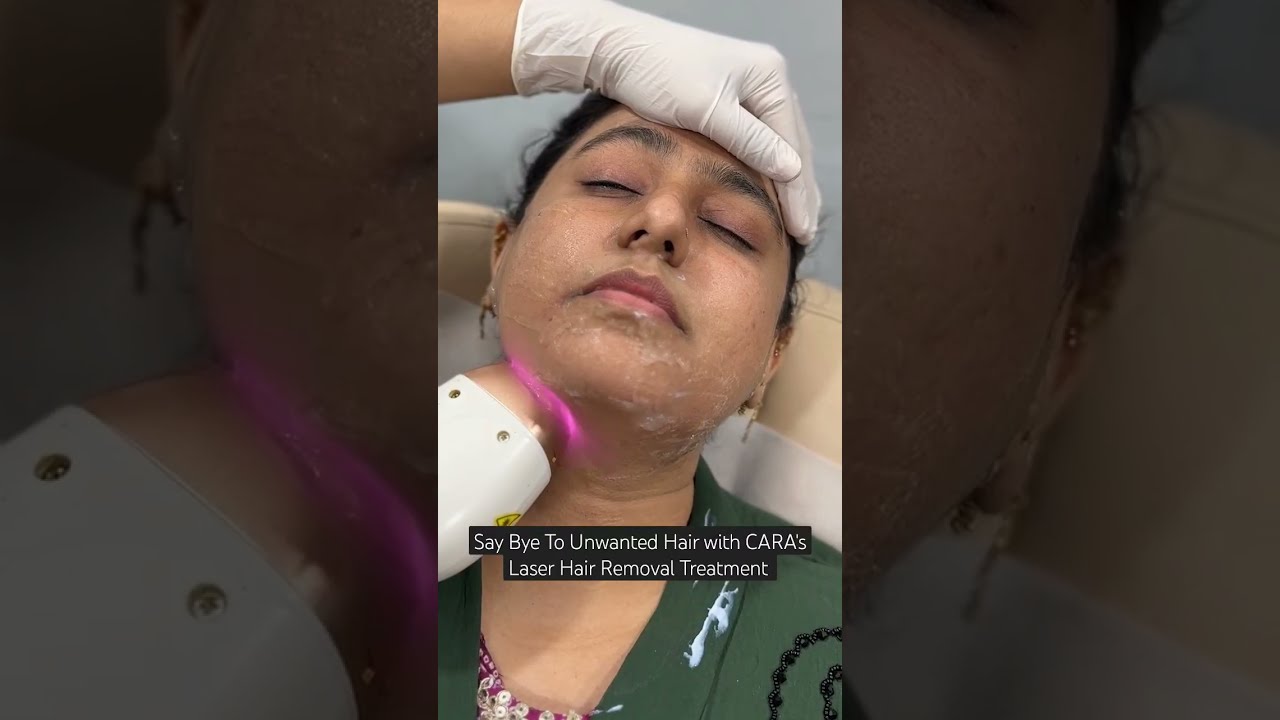
For different skin and hair types
For darker skin, insist on Nd:YAG capability and a clinician who uses it routinely. Ask about fluence, pulse width, and whether they pre-cool or stack pulses. For light skin with coarse hair, alexandrite or diode can be fast and effective. Fine hair anywhere is harder. Settings must be dialed in to avoid singing skin while still delivering thermal injury to the follicle. If your hair is very light or peach fuzz, manage expectations or consider electrolysis for precision.
Sensitive skin does not preclude laser, but patch testing helps. Acne prone areas like the jawline benefit from post-care with bland moisturizers and a pause on active skincare for a few days. With back laser hair removal and chest laser hair removal in men, pre-shaving and a clean, dry skin surface reduce the risk of post inflammatory breakouts.
What a realistic timeline looks like
By visit two or three, growth slows and hair sheds more easily. You may notice patchy regrowth, with some spots sparser than others. That is normal. By visit four to six, the area should feel smoother for longer stretches, and ingrowns tend to calm. After a series, you might book maintenance sessions every 6 to 12 months for touch-ups, especially for face or areas influenced by hormones. A thoughtful membership that lowers maintenance laser hair removal price after you complete your series aligns well with how hair behaves over time.
How to keep costs honest when comparing offers
It helps to build a simple worksheet. List the areas you want, the number of sessions included per area per year, the minimum term, any enrollment or annual fees, the type of devices available, and whether multiple areas can be treated per visit. Tally the total 12 month outlay and divide by the number of sessions you can realistically receive in that period. That gives you an effective per session price. Do the same math for a package. Now consider qualitative differences like operator credentials and device mix.
People often discover that an affordable laser hair removal subscription with strict limits yields a higher effective per session cost than a slightly pricier package at a clinic with more flexibility. Conversely, some laser hair removal offers deliver real value, especially when they permit stacking areas and provide honest access to the right technology.
Final guidance from the treatment room
Memberships and subscriptions are not inherently good or bad. They are pricing wrappers around a medical-grade light treatment that succeeds when delivered consistently with the right technology. If you want two or more areas treated, value predictable monthly costs, and can keep appointments, a membership can be worth it. If your plans are fluid, if your hair is very light, or if the contract is rigid, stick to packages or per session pricing.
Most importantly, pick the provider before the plan. Search for a laser hair removal specialist near me, then evaluate training, devices, and outcomes. Ask for a proper laser hair removal procedure walkthrough during your consultation, including laser hair removal preparation and aftercare. Look for clinics that welcome questions about laser hair removal safety, explain laser hair removal risks alongside benefits, and show you exactly how many laser hair removal sessions they expect for your skin and hair.
If the clinic impresses you on those fronts, then let the numbers guide you. The right plan will be obvious once you pair it with the right people and the right machine.